
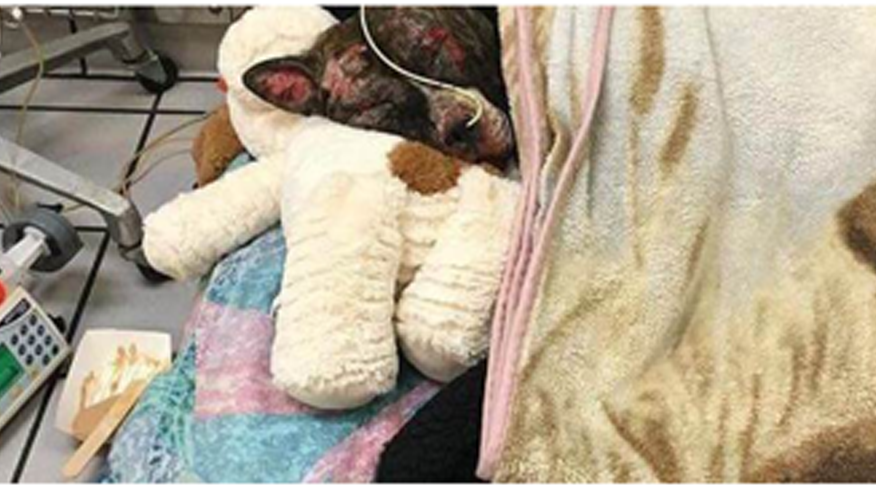
A dog who suffered a horrific and exceptionally cruel death inspired lasting change to Virginia’s animal cruelty laws. His name was Tommie. In February 2019, Tommie was tied to a pole and set on fire, suffering extensive burns across his body and fighting for five days before succumbing to his injuries.
Under Virginia law at the time, a felony animal cruelty charge could not be brought unless the animal died, leaving a dangerous gap in accountability. Tommie’s Law was created to close that gap by making certain acts of cruelty a felony regardless of whether the animal survives. :contentReference[oaicite:0]{index=0}
Sponsored by Sen. Bill DeSteph (R–Virginia Beach), the law strengthened penalties for cruelty and gave law enforcement and prosecutors clearer authority to act sooner. “[T]he crime matches the penalty. Not whether the dog lives or dies — the act of maliciously wounding or torturing a dog is the felony.” :contentReference[oaicite:1]{index=1}
Tommie’s Law represents a meaningful shift toward stronger protections for dogs and cats and affirms that animal cruelty must be treated as a serious crime—not a minor offense dependent on whether an animal survives. :contentReference[oaicite:2]{index=2}
Prince George County announcement (history & enactment)
‘Tommie’s Law,’ makes animal cruelty felony charge in Virginia
WHSV coverage (law signing details)
Virginia governor signs Tommie’s Law, felony animal cruelty
State statute (context on cruelty and penalty)
Virginia Code § 3.2-6570 — Cruelty to animals; penalty (overview)